Building Fareeqy: An Arabic-Native Project Management Tool
An interview with the founder of Fareeqy about building an Arabic-native project management platform from scratch. Why translation isn't enough, and how it all started.
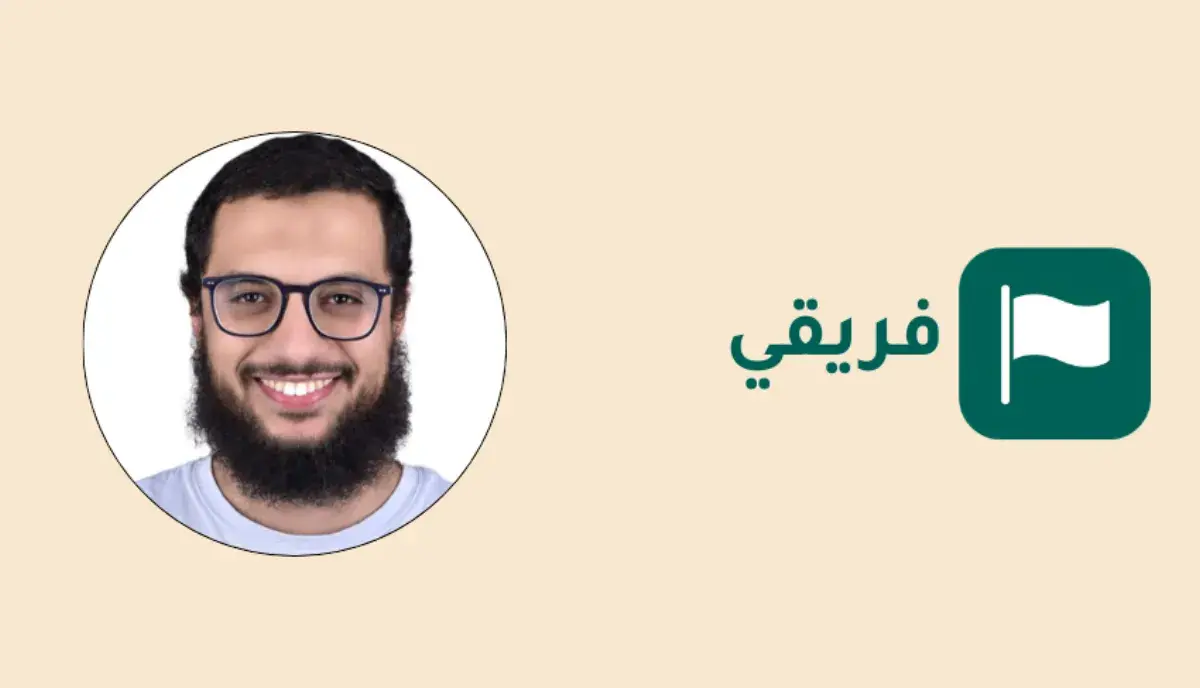
In a time when global tools dominate the remote work market, engineer Abdullah Medhat emerges with a different vision.
A purely Arabic platform called "Fareeqy", born from a real need uncovered through an extensive survey with company managers in Egypt, Saudi Arabia, and the UAE.
In this interview, we dive into the details of the journey, from the moment of the idea to building the product, to understand how language and culture can become a driving force in the world of technology and entrepreneurship.
Career Path: From Developer to Founding Fareeqy
Tell us about your career journey. How did you go from a Ruby on Rails developer to leading technical teams, then to founding your own project Fareeqy?
God has blessed me with working in companies across different countries, from Egypt to the United States, where I gained extensive experience in various fields, most importantly technology and business management. However, there was always a psychological barrier when working with Western companies, living with their cultures and being affected by them. On the practical side, you're not directly or indirectly serving your religion and your country.
In recent years, I was preparing for the time when I could leave employment (financial independence), and I did. Now I'm using my experience and knowledge to build a project management platform to serve Muslims and Arab users, because I believe we are more deserving of ourselves than others.
How Was Fareeqy Born?
What was the core challenge you saw as worth solving in the Arab market?
There were two challenges behind the Fareeqy platform:
First, the complexity of project management, a challenge I faced in every company I worked with, due to the difficulty of learning and using these tools by managers and engineering teams. This reduces productivity and shifts focus to managing work instead of doing the actual work, wasting time.
Second, the lack of Arabic language support in global project management platforms, beyond the fact that some offer translations that don't represent our Arabic in any way, relying entirely on the English language.
Work began by creating a survey and sharing it with team and product managers of varying experience, companies, and countries, to discover the viability of building a project management tool for Arabic companies across various regions in the Middle East. We asked about the difficulties they face, whether Arabic would make a real difference in communication, the features they're looking for, and whether they would switch to a new Arabic project management platform.
The results showed clear demand for an Arabic project management platform that is easy to use, combining collaboration, reporting, and integration with other tools, with genuine willingness from participants to try it early.
From here, Fareeqy was born to build a new path for Arabic companies, making it easier for them to communicate in their native language and manage their projects efficiently by addressing complexities, streamlining workflows, and creating an Arabic environment to facilitate communication.
What Makes Fareeqy Different From Trello and Asana?
In your opinion, what makes Fareeqy different from global tools like Trello or Asana?
Fareeqy comes from the heart of Arabs, for Arabs, in an Arabic voice, not a translated Western one. This isn't limited to language alone; it extends to the culture and the surrounding environment of the company.
I can say that as Arabs, we miss our culture and heritage due to our near-total dependence on Western products. This is the foundation Fareeqy was built on, something that isn't available in any global platform.
And who knows, Fareeqy may become a gateway to spreading our Arabic language and culture to the West, and that's what we hope for in the future!
The Role of Arabic in Boosting Communication and Productivity
How do you see the role of Arabic in enhancing communication and productivity within teams? Did this directly influence the platform's design?
Instead of focusing on trying to understand Western platforms and their culture just to use global tools, your work deserves that effort more.
Language affects the psychological factor significantly, even if it's not always obvious. For example, if someone says "thank you" versus "may God reward you with good", the first is a simple thanks, while the second is a prayer asking God to bless you. This is a simple example of the role language plays in shaping culture and its impact on our emotions and interactions.
The Role of Arab Communities in Supporting Entrepreneurs
As one of the most influential members on the Qabila platform, how do you see the role of these Arab communities in supporting entrepreneurs and developers? What did you personally gain from this experience?
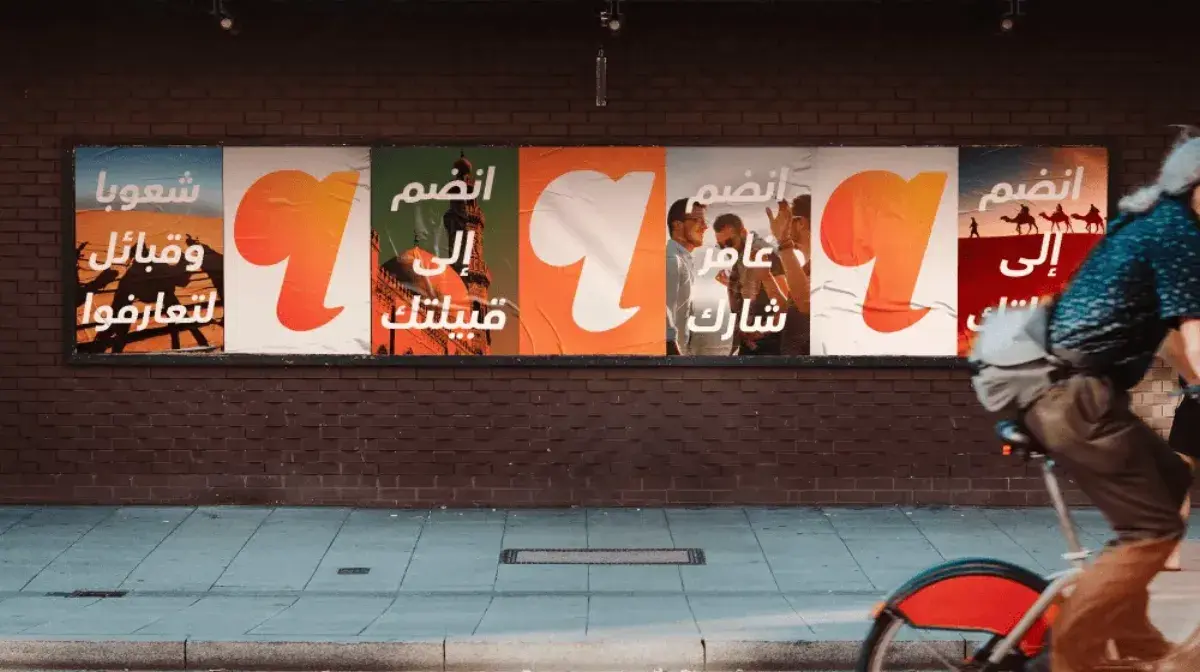
I believe we're witnessing an Arab tech revolution that isn't fully visible yet, but it has started. There are many initiatives that have emerged recently, and the Qabila platform plays a significant role in embracing this development as the first Arab professional network, bringing professionals together in one place to connect.
And the Mortakez platform, which provides opportunities for entrepreneurs and project owners to showcase their projects in one place, making it easier for users to discover, use, support, and promote Arabic products.
From my experience, the benefits were tremendous, meeting ambitious engineers building amazing projects, which provided great psychological support. Also meeting Arabs who care about tech independence and actively pursue it. As this continues, it will play a major role in tech liberation in the coming years!
Tips for New Ruby on Rails Developers
What are the most important principles you'd recommend to new developers working with Ruby on Rails?
- Learn from the primary source: Start with Rails Getting Started, the most direct and easiest path to learning Rails and understanding its conventions
- Don't overcomplicate solutions: Rails offers simple, organized approaches, always try to leverage them
- Go deep: Learning and using Rails is easy, but that shouldn't stop you from deepening your understanding of Rails internals, Gems, and knowing when to use them and when to skip them
- Write tests: Testing is extremely important, you can use RSpec for that
- Build different projects: Whether as primary or side projects, to study and understand Rails components, especially ActiveRecord, so you can master Rails best practices
Challenges of Leading Remote Teams
Given your experience with international companies and remote platforms, what are the biggest challenges in leading geographically distributed teams? How can they be overcome practically, especially with different cultures and time zones?
The hardest challenge in any work environment is communication. Poor communication often causes wasted time and effort, and rework due to unclear requirements.
Here are some tips I learned from my managers and from my experience in this field:
- Always communicate directly and with focus: This saves time and increases focus on doing the work instead of figuring out how to manage it
- Transparency and clarity: These must be the foundation of communication between team members, without bias toward personal and cultural opinions
- Balance trust with tools: Build an environment that creates trust among team members by sharing goals and being clear about what we want to achieve, while using the right tools so the team can work effectively
- Designate communication hours: 3 to 4 hours daily where the team can connect with each other, this allows each member to prioritize and respect the team's time and focus periods
- Solve problems directly: Before they spread, by talking with team members individually to discuss workflow, blockers, and challenges they face on an ongoing basis
Tips for Building a Successful MVP With Limited Resources
What advice would you give for building a successful MVP with limited resources while maintaining quality?
- Define product specifications first: The product's look, interface, color scheme, appropriate fonts, a brief description with required features and necessary technologies
- Stick to the essentials: We always have many ideas for development, but we should focus only on the core features for the initial version, then expand over time as the beta succeeds
- Connect with early users: Based on your ideal customer profile
- Use AI tools: For designing and building the product by feeding your product information to the tool, popular options include Replit and Lovable, where you can build an entire site for free
- Ensure quality: Make sure everything works efficiently before deploying to your own server and sharing with members
- Add free analytics tools: To monitor user behavior and issues, such as Hotjar for customer behavior analysis and BugSnag for reporting user-facing bugs
- Use free hosting: Like Netlify and Render, which make deploying your product simple in just a few steps
- For professional email: If you own a domain, you can use Zoho to get five free email accounts
Balancing Work, Family, and Worship
On a personal level: how do you balance work, family, and worship? And how do you define success when looking at it from the perspectives of both this life and the hereafter?
I like to start my day after the Fajr (dawn) prayer. From Fajr to Dhuhr (noon) is my work and productivity time. From Dhuhr to Asr (afternoon) is for rest, reading, and seeking knowledge. From Asr to Maghrib (sunset) is family time. And from Maghrib to Isha (night) and beyond is the best time for worship.
Success is a big word and its worldly meaning varies, but from the hereafter's perspective, success is for those who believed and did righteous deeds, and that is the constant goal.
If you put your trust in God and do good, then God is the one who grants success in this life and the next, guiding the way and illuminating the path.
I ask God to accept from us and from you our righteous deeds, and that our work be evidence for us, not against us, and that He guides us to what He loves and is pleased with. Peace be upon you.
Conclusion
The Fareeqy journey is not just a tech story: it's a message confirming that our Arabic language is capable of being a vessel for creativity and productivity at its finest.
From Rails to remote team management, from work culture to the concept of success, engineer Abdullah Medhat presents lessons worth reflecting on and applying.
The question remains open, are we witnessing a new generation of Arabic products capable of competing globally?
Originally published on Ramy Ahmed's Blog